Currency, Cards, and Cash: Money Management Tips Across Kenya, Tanzania, Uganda, and Rwanda
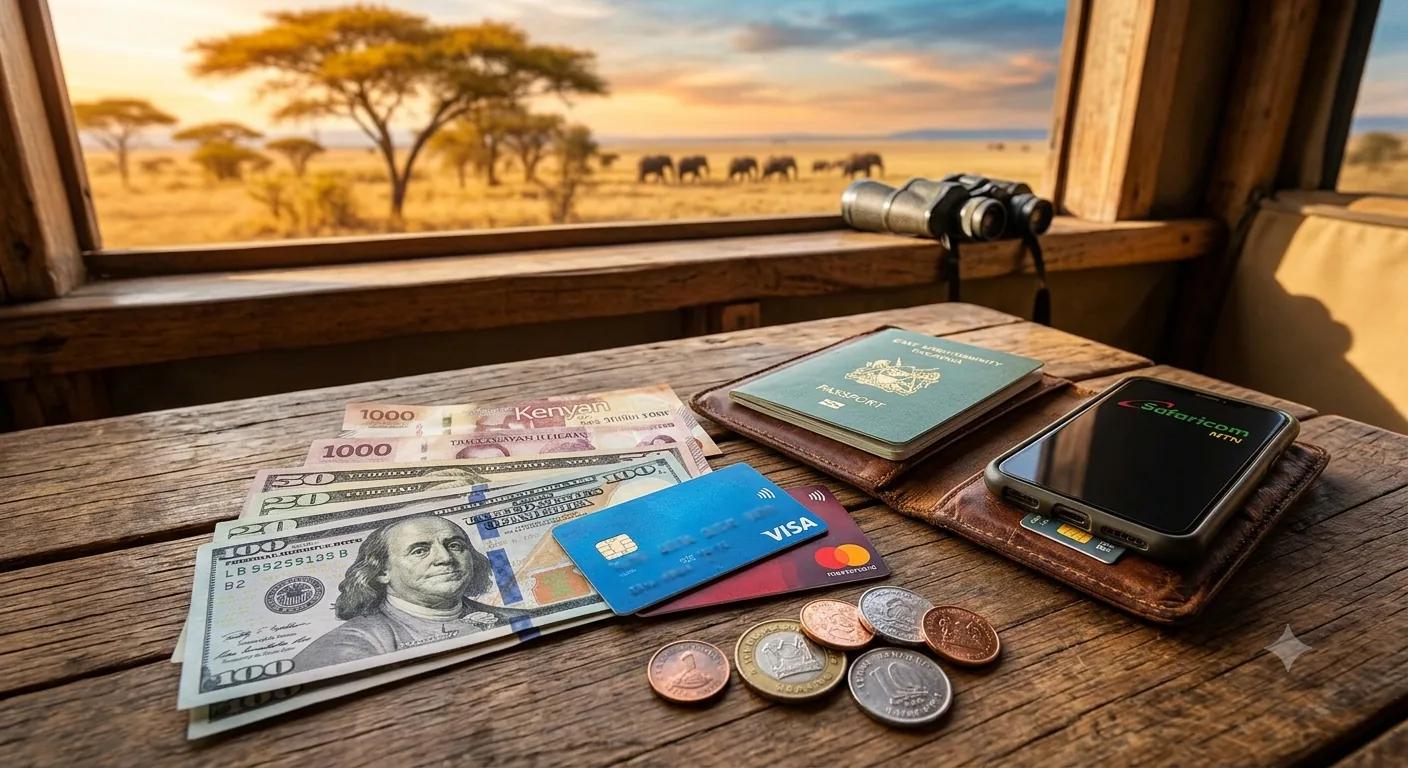
Planning a journey through East Africa is an exciting experience from standing on the golden plains of the Serengeti and tracking mountain gorillas in Bwindi to exploring the vibrant streets of Kigali or Nairobi. However, managing money across four distinct countries with different currencies, banking norms, and payment habits can quickly feel complex.
Whether you're tipping your safari guide, purchasing hand-carved art at a local market, or paying for dinner at a city bistro, here is everything you need to know about navigating currency, cards, and cash across Kenya, Tanzania, Uganda, and Rwanda.
1. The Regional Cash Reality: US Dollars vs. Local Currencies
Across East Africa, cash remains king especially once you leave major urban hubs or luxury safari lodges. However, knowing "which" cash to carry and "when" to use it is key.
US Dollars ($ USD)
US Dollars are widely accepted in the tourism sector across all four countries. National park entrance fees, safari lodges, domestic flights, and tour operators almost universally quote and accept prices in USD.
- The "Clean & Crisp" Rule: Banks, hotels, and exchange bureaus across East Africa are extremely strict about US Dollar bills. "Bills must be printed in 2013 or later", in mint condition, without any tears, stamps, heavy creases, or markings. Older bills (even from 2009 or 2006) will often be rejected by local banks and vendors.
- Denomination Strategy: Carry a mix of large bills ($50 and $100) for changing at foreign exchange bureaus (which offer better exchange rates for higher denominations) and small bills ($1, $5, $10, and $20) for tipping guides, porters, and lodge staff.
Local Currencies
While USD works well for major tourism expenses, local transactions—buying street food, tipping taxi drivers, purchasing souvenirs, or dining at local restaurants—require local currency:
- Kenya: Kenyan Shilling (KES)
- Tanzania: Tanzanian Shilling (TZS)
- Uganda: Ugandan Shilling (UGX)
- Rwanda: Rwandan Franc (RWF)
Pro Tip: Always carry a small amount of local currency in cash for small daily expenses. If you attempt to pay a local market vendor in USD, you will likely receive a poor conversion rate and local change.
2. Using Credit & Debit Cards on Safari
While credit card usage is growing across East Africa's capital cities, card acceptance varies significantly depending on where you are.
Where Cards Work
- High-End Lodges & Resorts: Most safari lodges accept Visa and Mastercard.
- City Hotels & Fine Dining: Mid-to-high-end hotels, upscale restaurants, and major supermarkets in Nairobi, Kampala, Kigali, and Dar es Salaam readily accept card payments.
Where Cards Fail
- Remote Bush Airstrips & Craft Markets: Local markets, roadside stalls, village tours, and remote fuel stations rarely accept cards.
- Network Reliability: Cellular and internet connections in remote game reserves (like the Masai Mara or Serengeti) can be intermittent. Even if a lodge has a card reader, network downtime can prevent processing. Always have a cash backup.
Important Card Tips
- Notify Your Bank: Inform your home bank of your travel dates and destinations (listing Kenya, Tanzania, Uganda, and Rwanda specifically) to avoid fraud blocks on your cards.
- Visa vs. Mastercard vs. Amex: "Visa" is by far the most widely accepted card across East Africa, closely followed by Mastercard. American Express and Discover are rarely accepted outside international hotel chains.
- Foreign Transaction & Surcharge Fees: Many vendors and lodges charge a 3% to 5% surcharge on credit card payments to cover processing fees.
3. ATMs and Withdrawing Cash Locally
ATMs are readily available in major towns and cities (Nairobi, Arusha, Dar es Salaam, Kampala, Kigali, Entebbe) and are usually the easiest way to get local currency at official exchange rates.
- Withdraw in Major Towns: Withdraw enough local currency while in major cities or airport hubs. You will not find ATMs inside national parks or remote game reserves.
- ATM Safety: Use ATMs attached to major bank branches (e.g., KCB, Stanbic, Absa, Bank of Kigali) rather than standalone machines in isolated areas.
- Daily Limits: ATMs typically have daily withdrawal limits (often equivalent to $200–$400 USD per transaction or day depending on the bank). Plan ahead if you need larger cash sums.
4. Mobile Money: The Local Payment Superpower
East Africa particularly Kenya and Uganda is a global leader in mobile payments.
- M-Pesa (Kenya & Tanzania) & MTN/Airtel Money (Uganda & Rwanda): Mobile money allows locals and travelers alike to send payments via SMS using a mobile phone linked to a local SIM card.
- Should You Get It? If you are spending more than a few days traveling independently or exploring local hubs, purchasing a local eSIM/SIM card and registering for mobile money can make paying drivers, local guides, and small vendors effortless.
5. Country-by-Country Snapshot
Kenya
- Local Currency: Kenyan Shilling (KES)
- Best For Cards: High (Nairobi, Mombasa, major lodges)
- Cash Advice: KES for daily local use; USD for tips & luxury lodges. Mobile money (M-Pesa) is everywhere.
Tanzania
- Local Currency: Tanzanian Shilling (TZS)
- Best For Cards: Moderate (Arusha, Stone Town, major safari camps)
- Cash Advice: USD widely accepted in tourist hubs (Zanzibar/Serengeti); TZS required for local markets and entry fees outside tourist zones.
Uganda
- Local Currency: Ugandan Shilling (UGX)
- Best For Cards: Moderate to Low (Kampala, Entebbe, luxury lodges)
- Cash Advice: UGX essential for rural transit and gorilla trekking porters/tips. USD required for national park activities.
Rwanda
- Local Currency: Rwandan Franc (RWF)
- Best For Cards: Moderate (Kigali, high-end gorilla lodges)
- Cash Advice: Kigali is increasingly cashless, but RWF cash is essential once traveling outside the capital.
6. Checklist: Essential Rules for Safe Money Management
1. Bring crisp USD bills: Check date stamps (2013 or newer) before leaving home.
2. Carry two cards: Pack at least one Visa and one Mastercard stored in separate bags.
3. Keep small denominations ready: Have small bills readily accessible for tips and small purchases so you don't expose large stacks of cash.
4. Exchange money at official locations: Use bank branches or licensed Forex bureaus at airports and city centers rather than street changers.
5. Split your cash: Never keep all your currency in one wallet or bag. Keep a primary reserve in your room safe and daily cash in a secure pouch.

Going Deeper: Primate Habituation vs. Standard Gorilla Trekking
Challenge the traditional "60-minute photo sprint" mindset and introduce the philosophy of slow, immersive wildlife encounters.
Read More
Ditching the Checklist: Why 'Slow Safaris' and Fly-In Itineraries Are Taking Over East Africa
Discover why modern travelers are trading hectic checklists for mindful slow travel and seamless fly-in safaris. Learn how to experience …
Read More
Simplified Travel to the Pearl of Africa: Uganda Drops Mandatory Yellow Fever Card Requirement
Discover how Uganda's decision to drop the mandatory yellow fever vaccination certificate requirement makes planning your next safari and traveling …
Read MoreRecent Posts