Navigating the Wild: The Ultimate Guide to Ethical Wildlife Viewing in Uganda
Navigating the Wild: The Ultimate Guide to Ethical Wildlife Viewing in Uganda
Welcome back to the Haven Africa Journeys blog! As passionate advocates for authentic, responsible travel across East Africa, we believe that experiencing the raw majesty of our continent’s wildlife is a privilege that comes with deep responsibility.
Today, we are diving into our Conservation and Sustainability pillar to explore how mindful tourism directly safeguards Uganda’s most treasured ecosystems and how you can be an active part of that preservation on your next safari.
Why Ethical Wildlife Viewing Matters
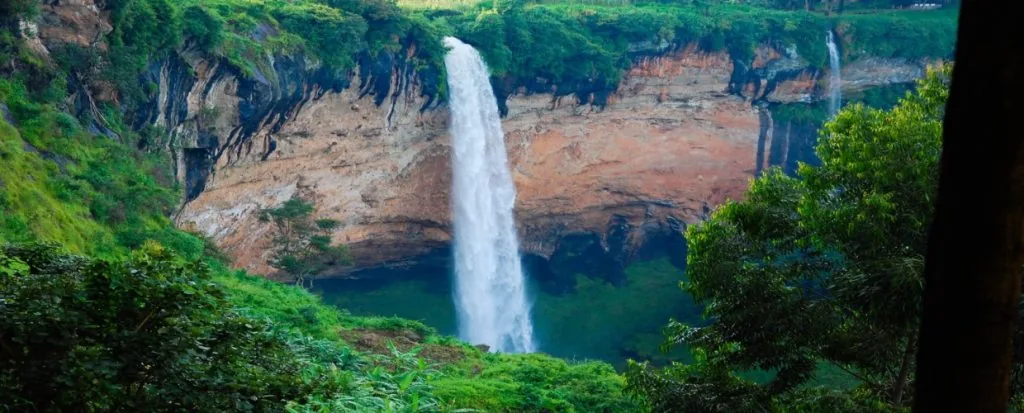
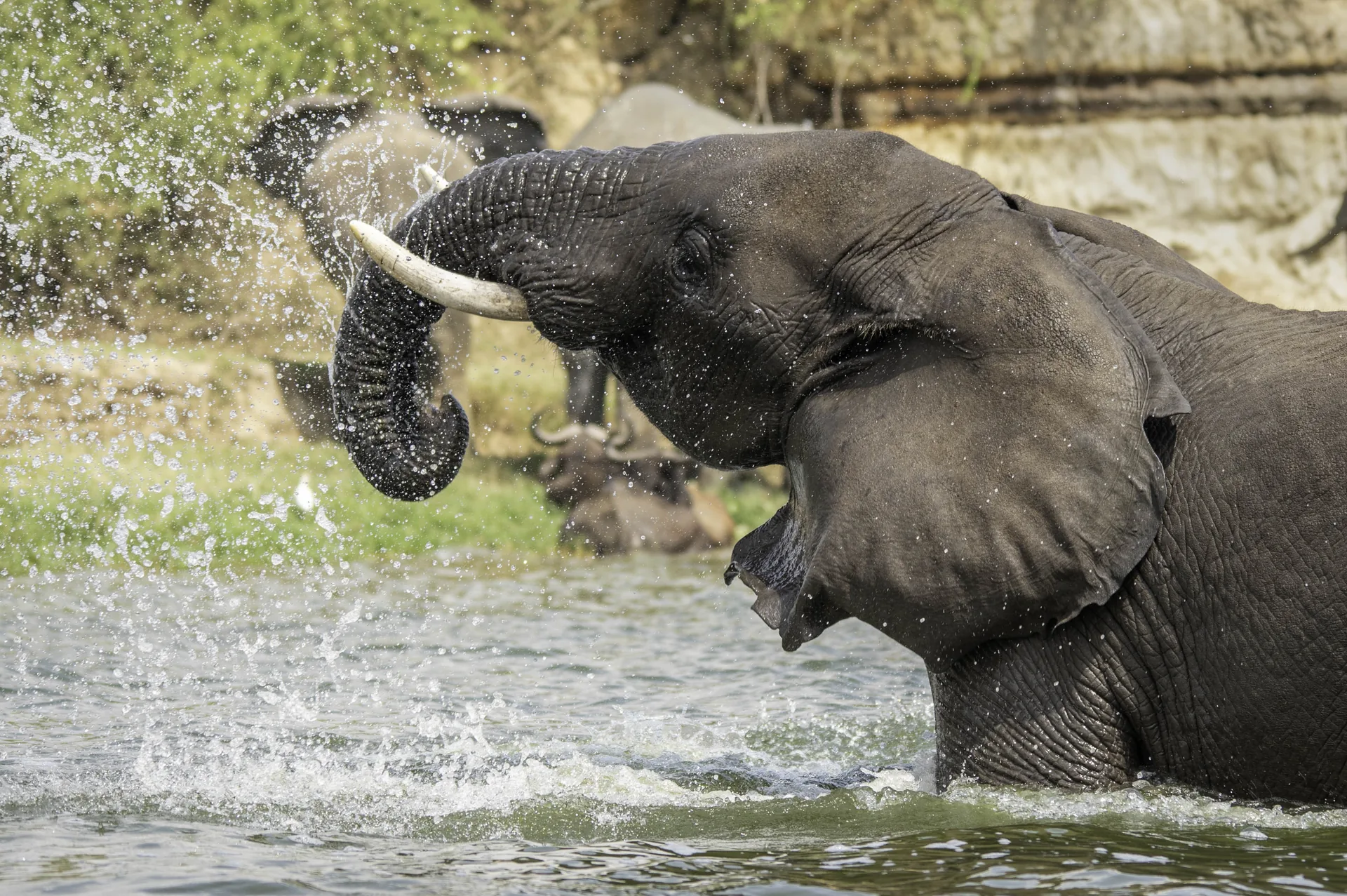
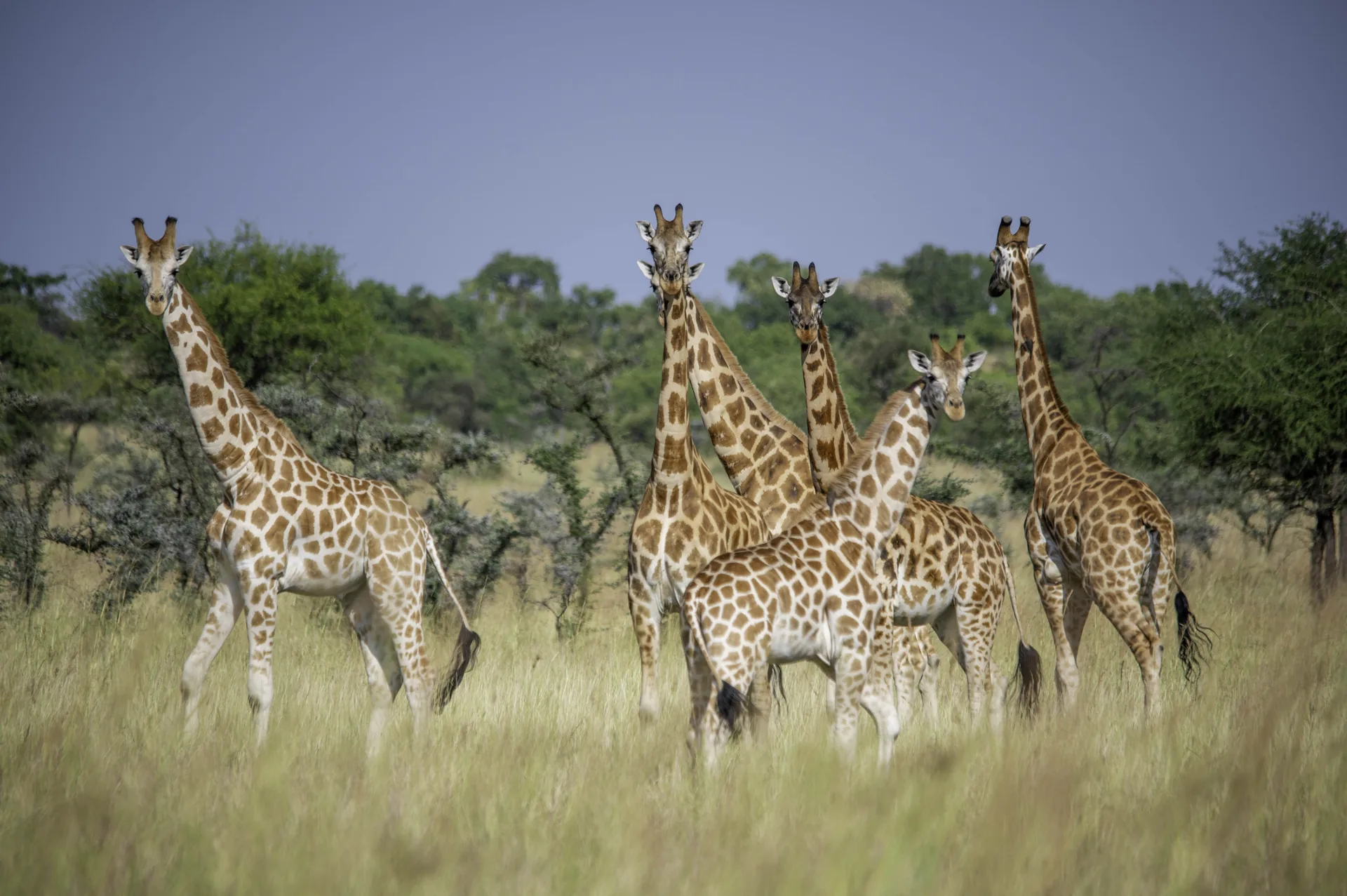
Uganda, the Pearl of Africa, boasts an astonishing biodiversity range, spanning dense equatorial rainforests, sprawling savannahs, and pristine wetlands. From the endangered mountain gorillas of Bwindi to the tree-climbing lions of Queen Elizabeth National Park, our wildlife is the beating heart of our tourism sector.
However, increased global interest means that visitor management is more critical than ever. Ethical wildlife viewing isn't just about avoiding a fine or keeping a safe distance; it is a vital conservation tool. When managed correctly, sustainable tourism provides the financial engine for anti-poaching units, habitat restoration, and crucially economic incentives for local communities to protect rather than exploit natural resources.
Core Principles for Sustainable Safaris in Uganda
Whether you are tracking chimpanzees in Kibale Forest or embarking on a boat cruise along the Victoria Nile in Murchison Falls, keep these fundamental principles in mind:
1. Respect the Buffer Zones
Animals in their natural habitats operate on their own terms. Maintaining a respectful distance (such as the mandatory 7-meter rule for mountain gorillas) prevents stress, reduces the risk of disease transmission (especially with our primate cousins), and ensures natural behaviors are uninterrupted.
2. Support Community-Centric Conservation
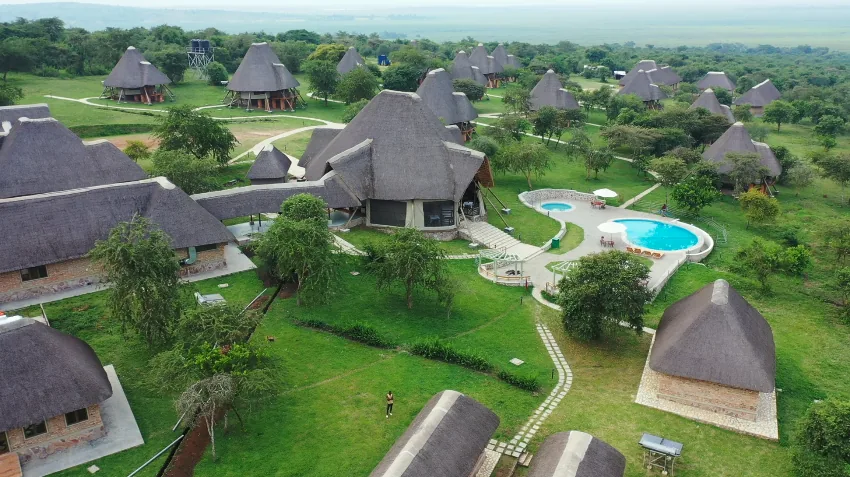
True sustainability uplifts the people who share borders with national parks. When booking your safari, look for operators that partner with local community initiatives, employ guides from surrounding villages, and channel park entry fees back into infrastructure and education. Every time you buy locally crafted souvenirs or stay at eco-lodges that employ community members, you reinforce the value of wildlife conservation.
3. Leave No Trace
The pristine beauty of parks like Kidepo Valley or Lake Mburo depends on our collective discipline. Avoid single-use plastics, stick to designated vehicle tracks to protect fragile subterranean ecosystems, and dispose of all waste responsibly.
Spotlight: How Your Journey Makes a Difference
When you travel with Haven Africa Journeys, your adventure contributes directly to grassroots conservation and community empowerment. A portion of every itinerary supports habitat protection and local livelihood projects across Uganda's premier national parks.
Ready to experience the Pearl of Africa the right way? Explore our custom East African itineraries or reach out to our team today to design your next sustainable safari adventure.
Stay tuned for tomorrow’s post, where we shift our focus to Culture and Heritage, exploring the rich traditions and rhythm of life along the Nile!
Traveling with Purpose: How Conscious Tourism Protects Uganda and East Africa’s Great Wilderness
Discover how your safari with Haven Africa Journeys directly supports mountain gorilla protection, community empowerment, and low-impact eco-lodges across Uganda …
Read More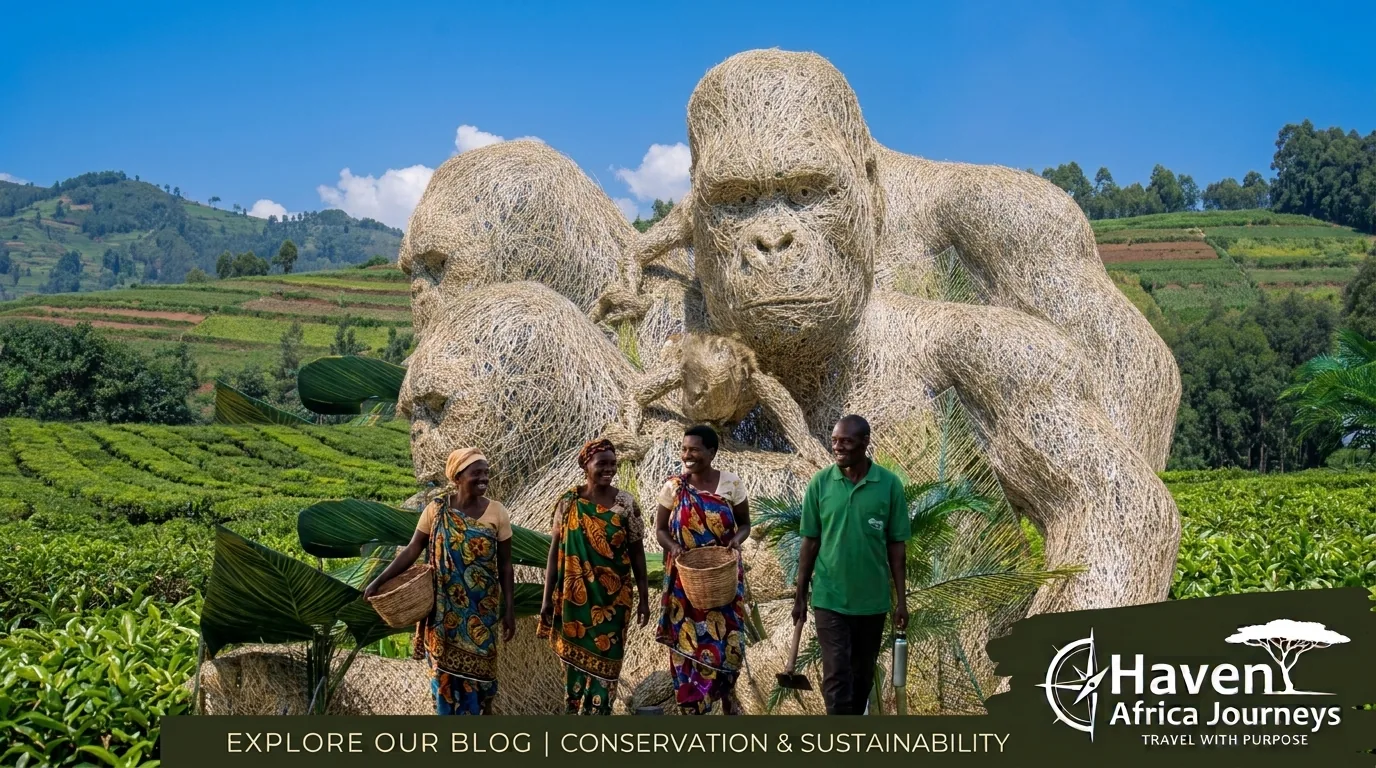
Beyond the Mist: How Rwanda is Redefining Community-Led Conservation
Discover how Rwanda is redefining sustainable travel through tourism revenue sharing, community partnerships, and gorilla conservation in Volcanoes, Akagera, and …
Read More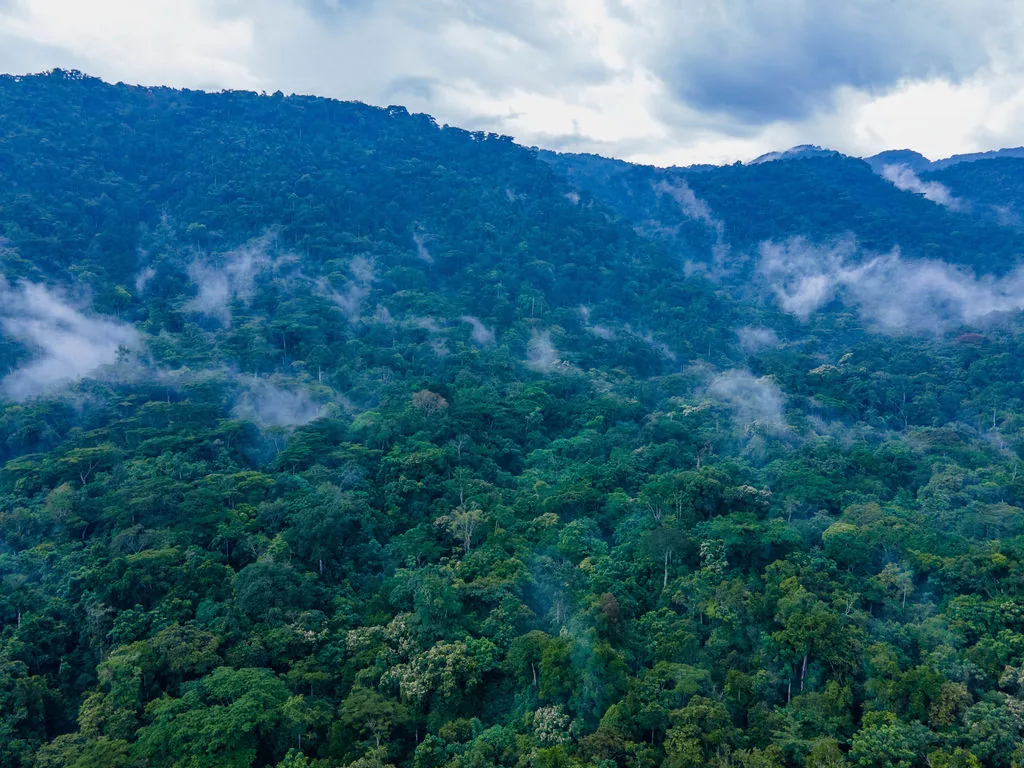
The Conscious Safari: How Haven Africa Journeys Keeps East Africa Wild & Thriving
Discover how Haven Africa Journeys combines ethical wildlife encounters, community empowerment, and eco-friendly safari operations to keep East Africa wild …
Read MoreRecent Posts