Architecture of Belonging: Indigenous Building Traditions & Sustainable African Spaces in Karamoja
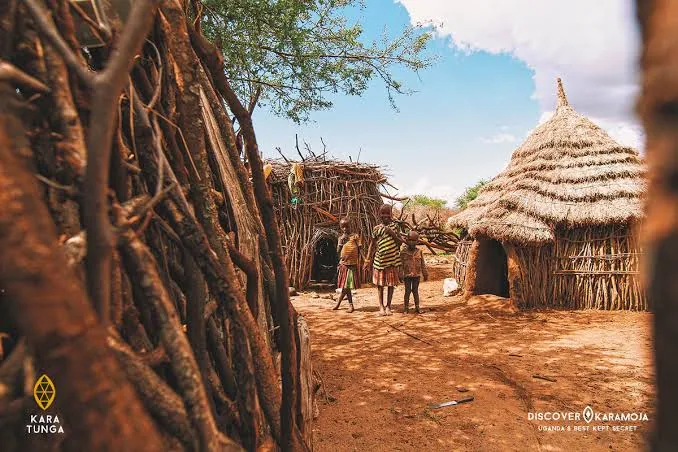
In an era where modern architecture increasingly turns toward synthetic materials and energy-intensive designs, the ancient building traditions of Africa offer a profound lesson in true sustainability. Deep within the vast, golden savannas of Northeastern Uganda lies "Karamoja", a region defined by rugged landscapes, resilient pastoralist communities, and a living heritage that seamlessly merges culture, community, and human shelter.
At Haven Africa Journeys, we believe that travel should do more than just showcase scenic landscapes, it should invite you to experience the deep, living wisdom of the cultures that call these spaces home. The Karamojong homestead known as the "Manyatta" (or Ere) is a masterclass in vernacular architecture, offering a powerful reflection of what it means to build spaces rooted in belonging, sustainability, and harmony with nature.
What is Vernacular Architecture?
Vernacular architecture refers to structures built using local materials, traditional methods, and native knowledge passed down through generations. Rather than imposing artificial forms onto the landscape, indigenous building practices adapt directly to environmental conditions, climate, and cultural values.
In Karamoja, the homestead is not merely a collection of houses, it is an organic extension of the environment and a living testament to climate-smart design.
Key Elements of the Karamojong "Manyatta"
A "Manyatta" is a traditional enclosed village housing multiple family branches. Stepping into a "Manyatta" reveals an intricate layout designed for protection, communal living, and climate resilience:
- Natural Thermal Regulation: Constructed from acacia wood, woven branches, mud, and thatch, traditional Karamojong dwellings keep interiors cool during the intense heat of the day and retain warmth during dry, chilly nights.
- Intricate Defensive Fencing: The entire settlement is encircled by dense, interconnected barriers of thorny acacia branches (Echoke), creating a natural shield against predators and historical cattle rustling while preserving privacy.
- Low-Impact Sourcing: Every element used in construction, from structural poles to thatched roofs is harvested sustainably from the surrounding savanna, ensuring that when a structure reaches the end of its natural life cycle, it returns seamlessly to the earth.
- Micro-Climate Zonation: Internal layout pathways and low-hanging entranceways minimize dust intake from dry winds while maximizing shade and airflow within communal courtyards.
The Social Fabric: Architecture as a Reflection of Belonging
In Western design, space is often divided by private ownership and individual isolation. In contrast, indigenous African spaces like the "Manyatta" are physical representations of community, kinship, and shared responsibility.
🛡️ The Layout of a Karamojong Manyatta:
[ Outer Thorny Defense Ring (Acacia) ] ➔ [ Family Living Quarters ] ➔ [ Central Cattle Kraal /Ekwar ]
1. The Central Kraal (Ekwar)
At the heart of every "Manyatta" lies the cattle enclosure. In Karamojong culture, livestock represents wealth, social bonds, and spiritual legacy. Placing the herd at the center of the living compound ensures both security and a constant cultural reminder that community vitality is shared.
2. Communal Courtyards & Gathering Spaces
Low doorways encourage a posture of humility upon entering family homes, while central open spaces foster storytelling, elder councils, and shared meal preparation under the open skies. The space itself actively nurtures human connection.
3. Sustainable Space Planning
As family structures grow or shift, the layout of the "Manyatta" expands or adapts fluidly. This spatial flexibility ensures that no member of the community is ever displaced, reinforcing a deep sense of belonging and spatial equity.
Lessons for Modern Sustainable Design
As global architects search for low-carbon, regenerative building solutions, Karamoja’s traditional building practices highlight principles that modern urban planning often overlooks:
1. Zero-Kilometer Materials: Utilizing native flora and soil eliminates long-distance transportation emissions and expensive supply chains.
2. Passive Climate Control: Designing for natural ventilation and thermal mass reduces reliance on energy-consuming heating and cooling systems.
3. Biodegradable Footprints: Building structures that leave no toxic chemical residue allows land to restore itself naturally over time.
4. Community-Centered Geometry: Designing structures around communal interaction rather than isolated compartmentalization strengthens social resilience.
Experience Karamoja with Haven Africa Journeys
At Haven Africa Journeys, our immersive cultural safaris bring you face-to-face with the rich heritage of Uganda's northeastern frontier. When you travel with us to Karamoja, you don't just observe from a distance, you step inside a living "Manyatta", learn directly from Karamojong cultural guides, and gain a firsthand appreciation for an architectural tradition that has stood the test of time.
Whether you are exploring the breathtaking landscapes of Kidepo Valley National Park or walking through authentic cultural settlements, we ensure your journey is respectful, enriching, and deeply connected to local communities.
Ready to Discover the Untamed North?
Woven in Color: The Timeless Art and Symbolism of Maasai & Samburu Beadwork
Discover the deep history and spiritual language behind Maasai and Samburu beadwork. Explore how vibrant colors, geometric patterns, and ancestral …
Read More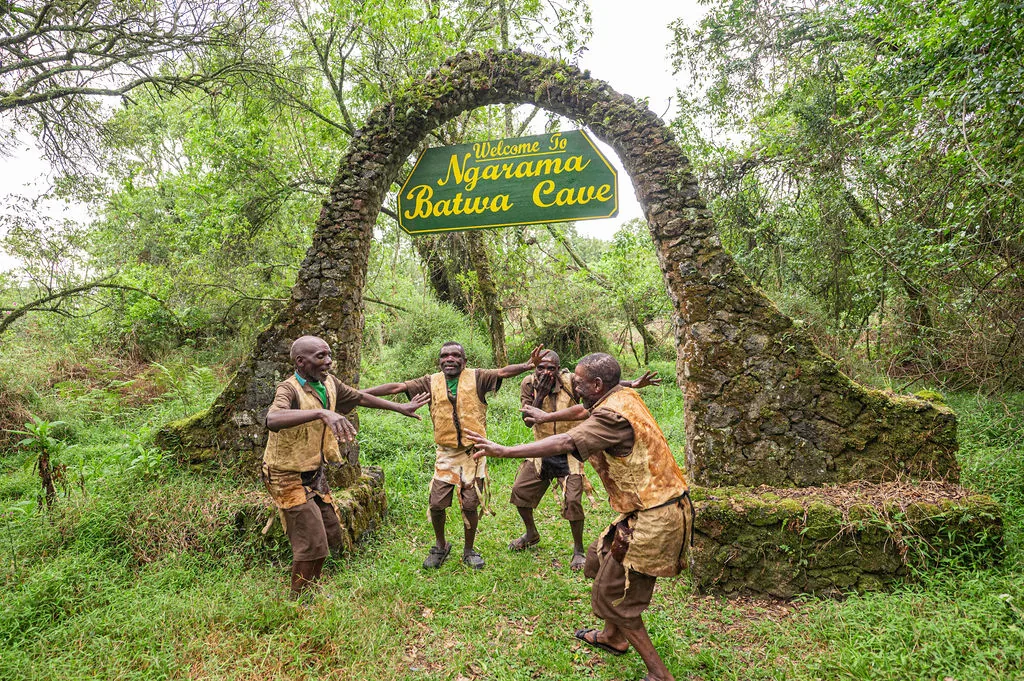
The Ancient Voice of the Forest: Unveiling the Culture and Heritage of the Batwa
Step into the misty highlands of Southwestern Uganda to discover the rich heritage of the Batwa Pygmies, the ancient keepers …
Read More
Digitizing Heritage: How Innovation is Safeguarding African Culture This World Tourism Day
As World Tourism Day highlights the role of digital innovation and AI in reshaping travel, Haven Africa Journeys explores how …
Read MoreRecent Posts