Tourism as a Neighbor: How Community Journeys Change Lifelines in East Africa
When travelers think of an East African journey, their minds often jump to open savannahs, deep rainforests, and dramatic wildlife encounters. But long before national parks were gazetted, local communities lived alongside these landscapes. Today, the most meaningful safaris are those that view local residents not as mere bystanders, but as essential partners and neighbors in conservation.
When tourism acts as a good neighbor, the economic benefits flow directly to the households living on the frontlines of wildlife wildernesses - turning potential human-wildlife conflict into shared prosperity.
The Shift From Passive Tourism to Shared Lifelines
Historically, safari itineraries kept guests within private concessions and park boundaries, largely isolated from the daily life of surrounding towns and villages. While this created an exclusive wilderness feel, it left surrounding communities with few reasons to protect wildlife that occasionally damaged crops or threatened livestock.
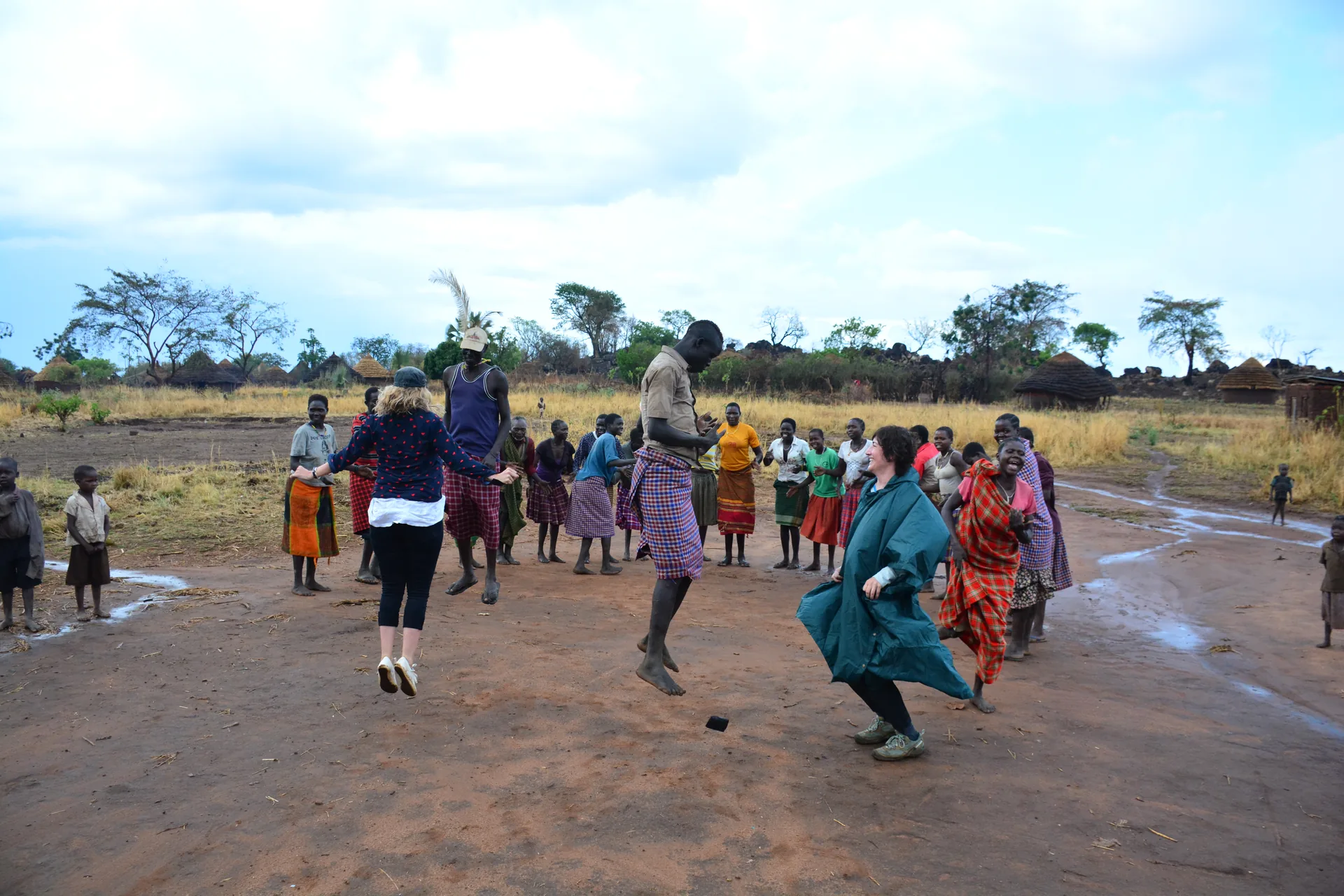
Community-led tourism changes this dynamic completely. When travelers spend time in local villages, purchase handicrafts directly from artisan collectives, or take guided cultural walks, tourism becomes a reliable lifeline.
Here is how community-led experiences are transforming regional landscapes across Uganda, Rwanda, Kenya, and Tanzania:
1. Female-Led Coffee Cooperatives Around Bwindi
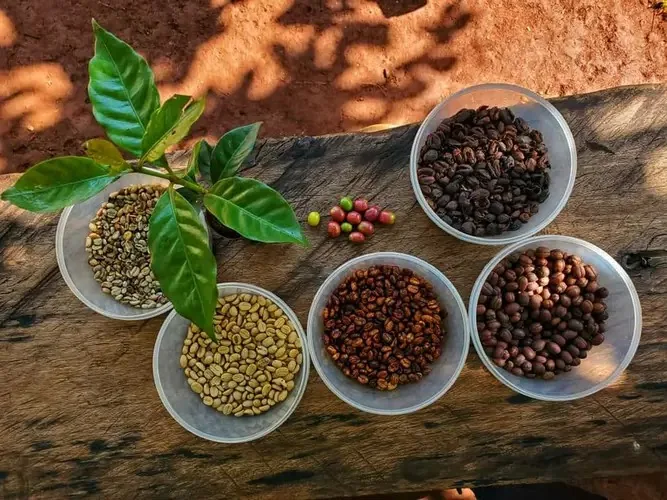
On the misty slopes bordering Uganda's Bwindi Impenetrable National Park, smallholder coffee farmers - many of them women offer immersive bean-to-cup tours. Guests walk through organic farms, pick ripe Arabica cherries, roast the beans over an open fire, and taste some of the freshest coffee in the world.
The Impact: Direct revenues fund local micro-finance groups, school tuition for girls, and healthcare clinics, reducing the community's dependence on forest resource extraction.
2. Batwa & Indigenous Heritage Guides
In the dense forests of southwestern Uganda and Rwanda, the indigenous Batwa people share their ancient forest survival skills through guided trail walks outside core park zones.
The Impact: These tours preserve ancestral botanical and survival knowledge across generations while creating dignified, self-determined employment for indigenous families.
3. Community Conservancies & Pastoralist Partnerships
In Kenya’s Maasai Mara ecosystem and Tanzania's northern circuit, community conservancies lease grazing land from local pastoralist families for ecotourism lodges.
The Impact: Landowners receive guaranteed monthly rental income and livestock management support while keeping critical wildlife migration corridors open and free from fencing.
How Community Encounters Impact Local Ecosystems
Pillar - Traditional Model - Neighbor-First Model
- Revenue Destination - Stays within enclosed lodge gates - Shared directly with neighborhood families and micro-enterprises
- Wildlife Relationship - Wildlife viewed as a threat to crops/livestock - Wildlife protected as a valuable community asset
- Cultural Connection - Staged performances for photo ops - Authentic, guide-led interactions and equal exchange
- Local Employment - Entry-level service roles only - Local ownership, guiding, management, and supplier contracts
Essential Etiquette for Conscious Travelers
To ensure community visits remain respectful, empowering, and beneficial for everyone involved, keep these best practices in mind:
1. Choose Community-Operated Tours: Look for experiences where local residents own or directly manage the enterprise rather than third-party agencies.
2. Buy Local and Buy Directly: Purchase crafts, basketry, and coffee directly from the creators to ensure 100% of the proceeds stay in the village.
3. Always Ask Before Photographing: Treat local residents with the same dignity and courtesy you would extend to anyone at home. Always ask for permission before taking portraits.
4. Support Long-Term Infrastructure: Look for operators that contribute to long-term community infrastructure - such as clean water boreholes, maternity clinics, and vocational schools.
How Haven Africa Journeys Integrates Community Travel
At Haven Africa Journeys, every itinerary we design builds bridgeways between travelers and local hosts. Whether it's adding a morning walk with a Bwindi coffee grower, arranging a traditional meal prepared by a women's culinary collective, or staying at lodges that return land-lease revenue to local families, we ensure your journey leaves a lasting, positive footprint.

Haven Africa Journeys at the Rwenzori Marathon 2026
On 22nd August 2026, Haven Africa Journeys proudly joined the Rwenzori Marathon in Kasese District, running alongside athletes and adventurers …
Read More
Mountain Gorilla Conservation: How Your Visit Makes a Difference
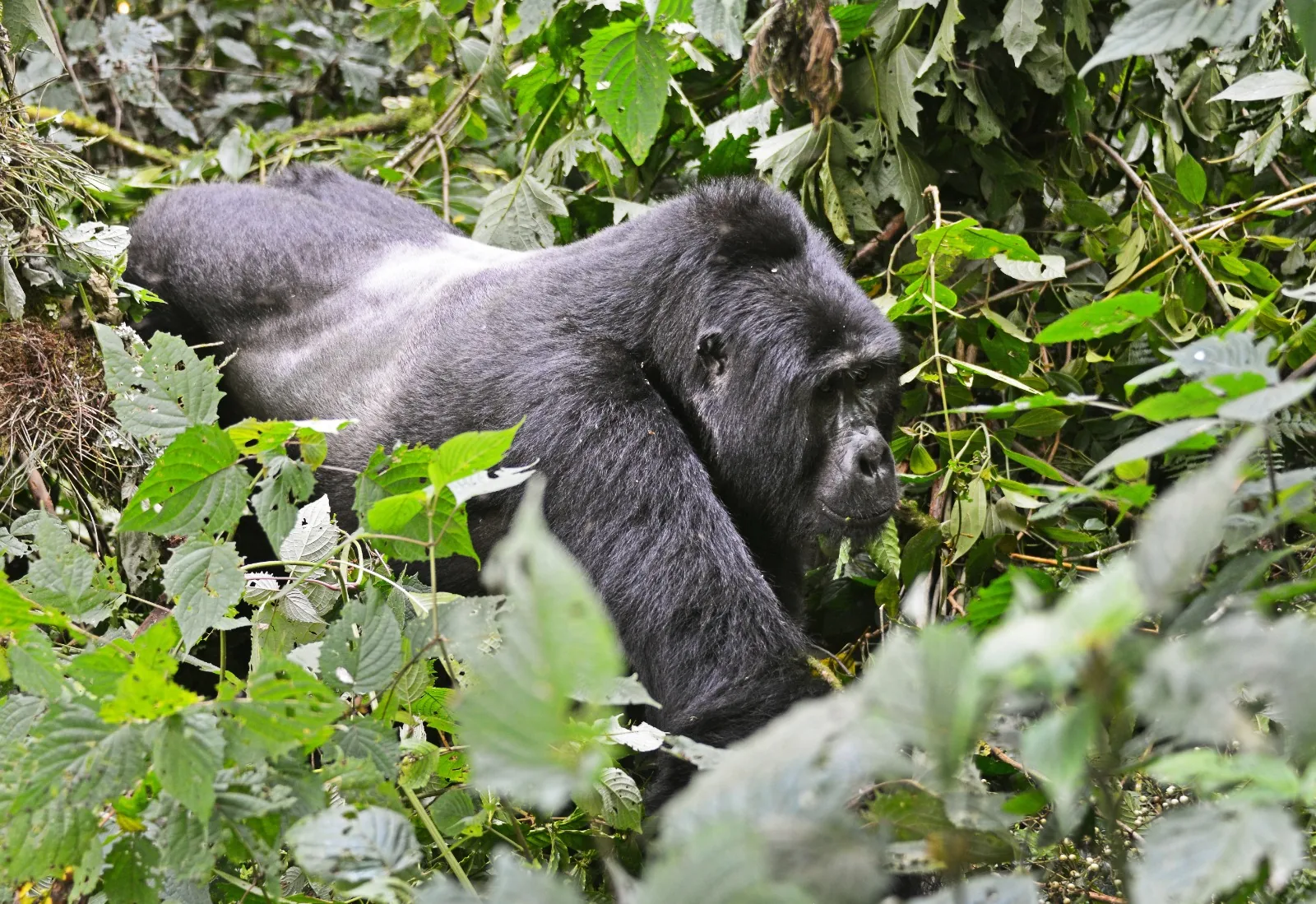
Your gorilla trekking permit directly funds conservation efforts that have helped mountain gorillas recover from near extinction.
Read MoreRecent Posts