Essential African Safari Packing Guide

Packing for an African safari requires balancing preparation with weight limits. Light aircraft flights between bush airstrips strictly enforce soft-sided luggage allowances (typically 15 kg / 33 lbs).
1. Essential Travel Documents & Health
- Passport & Visas: Passport valid for at least 6 months beyond travel dates with empty pages.
- Vaccination Certificates: Yellow Fever vaccination card (mandatory for several African nations).
- Prophylactics & First Aid: Doctor-prescribed malaria tablets, high-SPF sunscreen, insect repellent (DEET-based), rehydration salts, and basic personal medications.
- Cash & Cards: Small-denomination USD bills (clean, post-2013 series) for tipping and local currency exchanges.
2. Wardrobe: Neutral Colors & Layers
- Earth Tones: Khaki, olive, beige, and tan.
> Note: Avoid dark blue and black (attract tsetse flies), bright colors (scare wildlife), and camouflage patterns (illegal for civilians in many countries).
- Layering Essentials: Early morning game drives can be freezing, while afternoons are hot. Pack a fleece or packable down jacket, thermal baselayers, and a light wind/waterproof jacket.
- Clothing Items: 3–4 lightweight long-sleeve shirts (sun and bug protection), 2–3 pairs of convertible or lightweight safari trousers, short-sleeve tees, wide-brim hat, and comfortable trail shoes.
3. Bush Gear & Electronics
- Binoculars: 8x42 or 10x42 optics are essential for viewing distant wildlife and birds.
- Power Bank & Adapters: Heavy-duty power bank (20,000+ mAh) and a universal travel adapter. Type G (UK-style) is standard across Uganda, Kenya, and Tanzania, though Tanzania and Uganda occasionally use Type D, and Rwanda uses Type C. A universal adapter ensures you stay charged across all borders.
- Photography Equipment: Camera with telephoto lens, spare memory cards, extra batteries (cold mornings drain battery fast), and a dust-proof dry bag.
- Headlamp or Torch: Essential for navigating unlit eco-camps at night.
Primate Tracking Essentials (Gorillas & Chimpanzees)
Trekking through dense, humid rainforests (such as Bwindi, Volcanoes, or Kibale) requires specialized gear to stay safe, comfortable, and protected against terrain, thorns, and biting ants.
Essential Item - Purpose
- Waterproof Hiking Boots - Ankle support and deep tread for steep, muddy, and slick rainforest terrain.
- Trekking Gaiters - Protects lower legs from water, thick mud, and biting safari ants.
- Gardening / Work Gloves - Crucial for gripping prickly vines, nettles, and branches when scrambling up slopes.
- Long Socks (Tuck-In Style) - For tucking long trousers into socks to prevent fire ants from crawling up legs.
- Waterproof Rain Poncho/Jacket - Rainforests experience sudden, heavy downpours at any time of year.
- Medical Face Masks - Surgical/N95 masks are mandatory during close contact to prevent human disease transmission to primates.
- Trekking Poles - Provides stability on steep, uneven volcanic slopes (often rentable at park headquarters).
- 2L Daypack with Rain Cover - Lightweight pack to carry water, packed lunch, and protect camera gear from downpours.
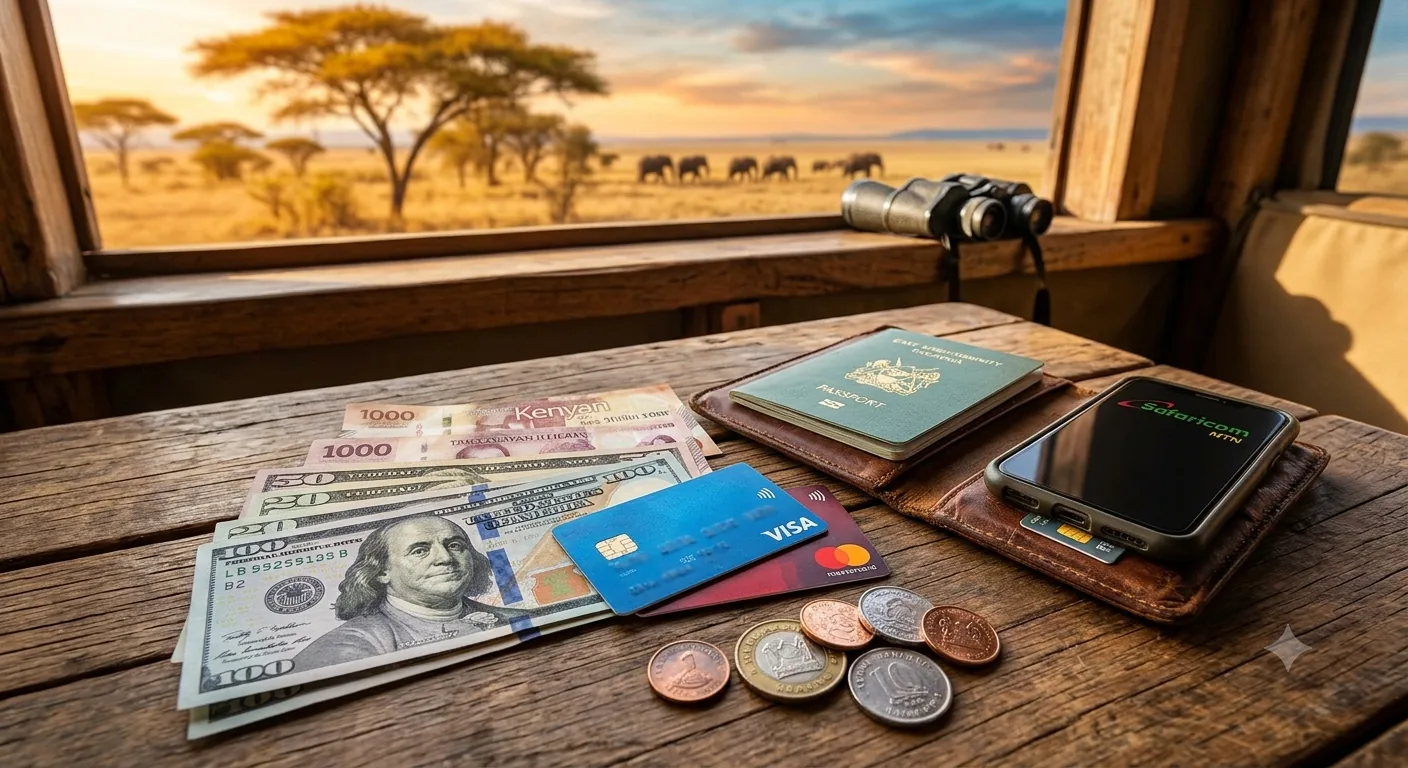
Currency, Cards, and Cash: Money Management Tips Across Kenya, Tanzania, Uganda, and Rwanda
Navigating money across Kenya, Tanzania, Uganda, and Rwanda can be tricky. Learn when to use US Dollars versus local currency, …
Read More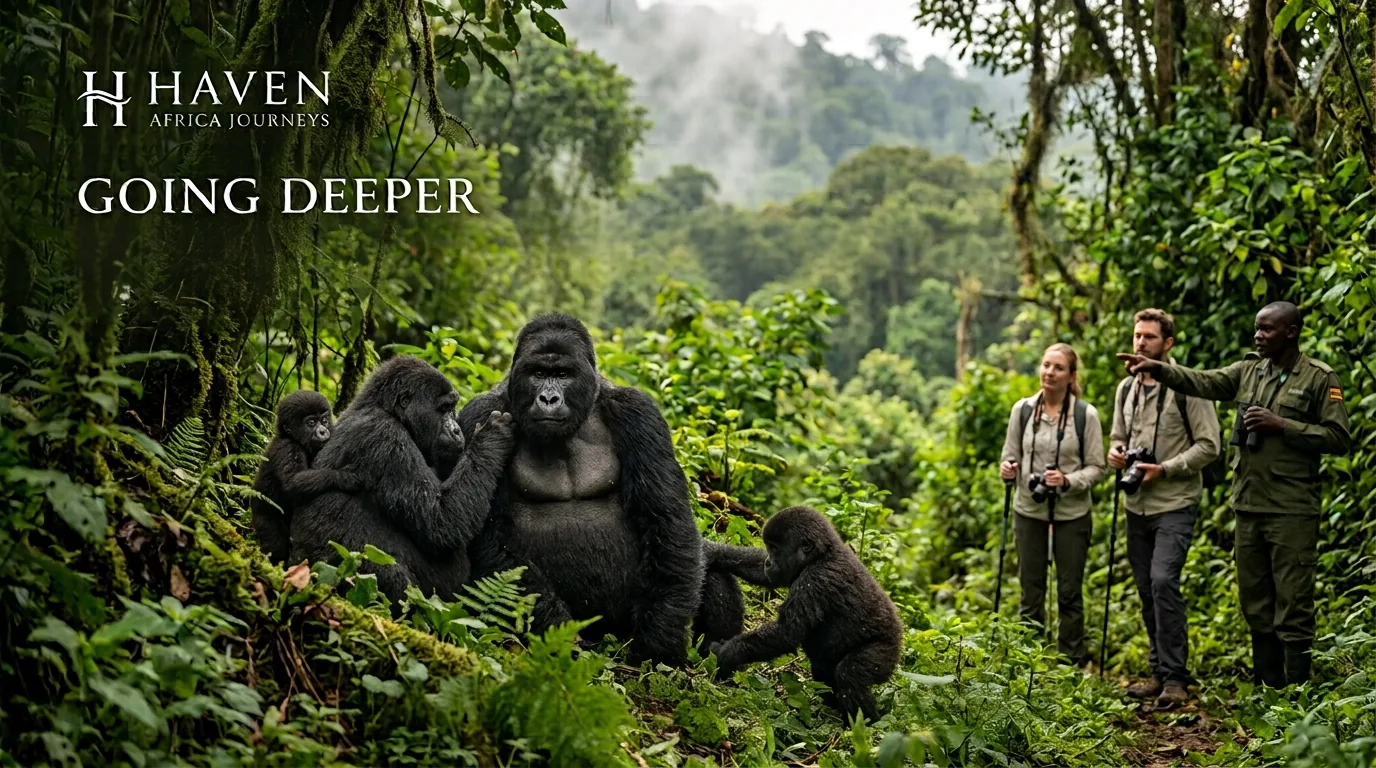
Going Deeper: Primate Habituation vs. Standard Gorilla Trekking
Challenge the traditional "60-minute photo sprint" mindset and introduce the philosophy of slow, immersive wildlife encounters.
Read More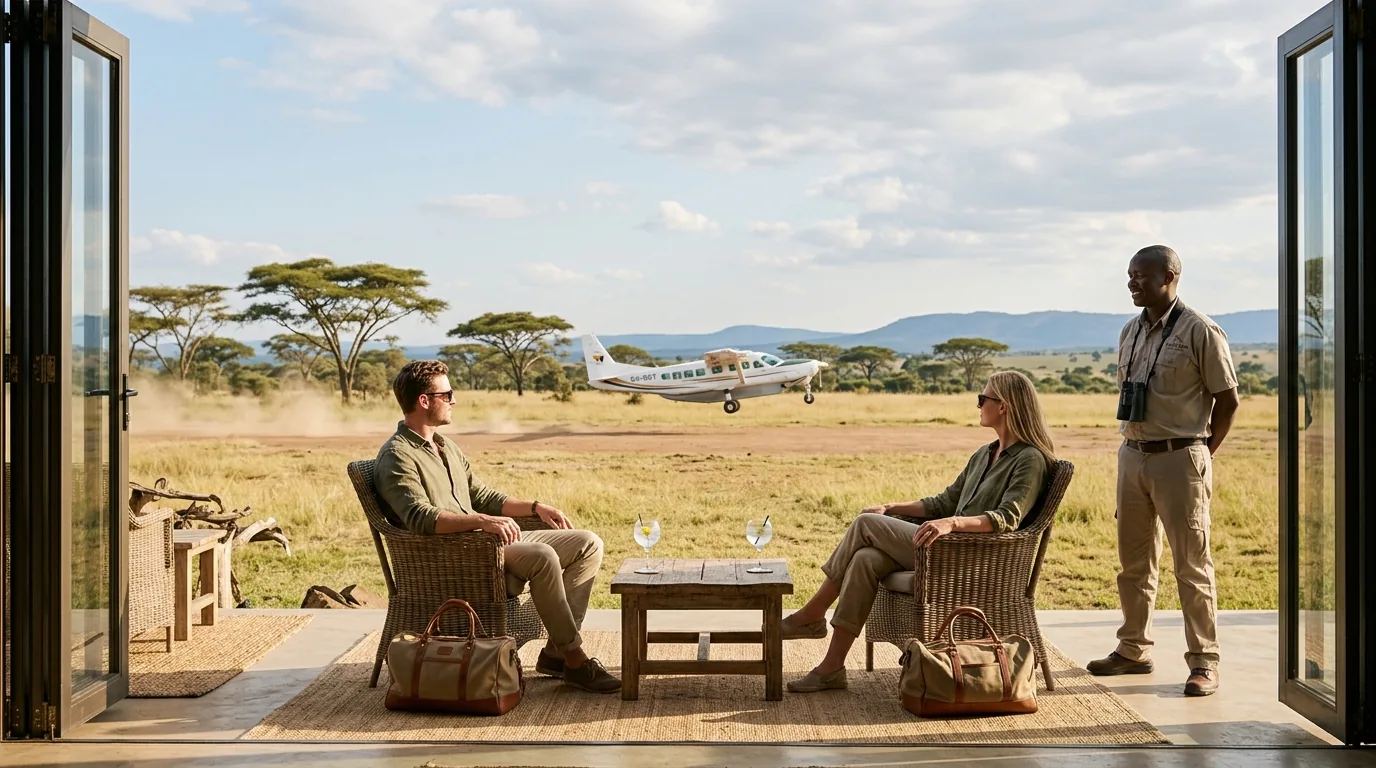
Ditching the Checklist: Why 'Slow Safaris' and Fly-In Itineraries Are Taking Over East Africa
Discover why modern travelers are trading hectic checklists for mindful slow travel and seamless fly-in safaris. Learn how to experience …
Read MoreRecent Posts